Loading…

Loading…
Expert guides on EPC civil construction — pharma plants, STP/WTP/ETP, GIDC/MIDC industrial works, highways, and power plant civil projects.
All Guides
In-depth technical guides written by VRSIPL's project engineers — covering pharma plant civil, water & wastewater, industrial EPC, and power plant civil works across India.
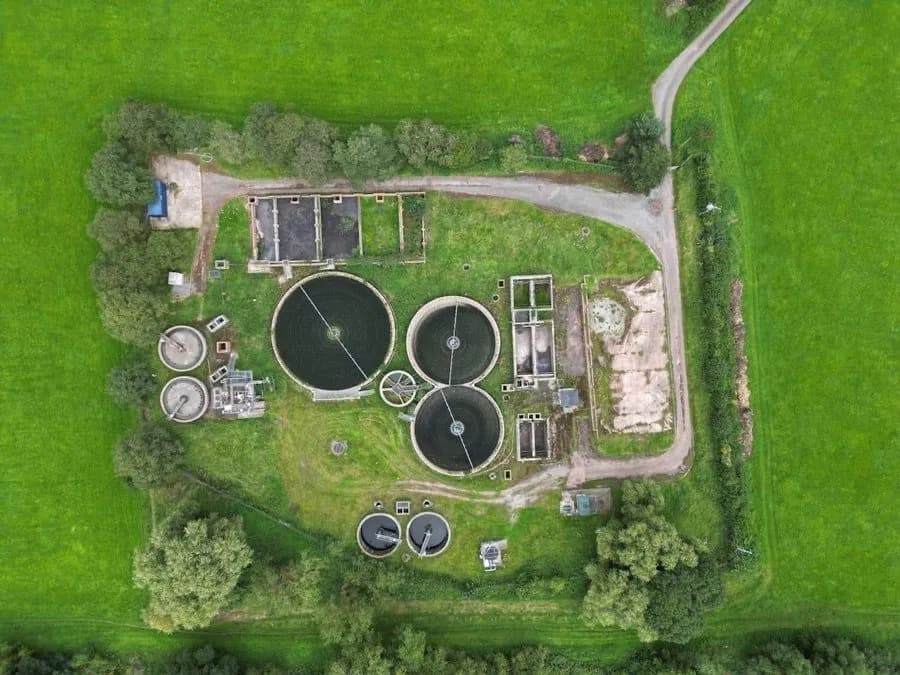
India is building sewage treatment plants at an unprecedented pace under AMRUT 2.0, Smart City Mission, and state-funded urban sewerage schemes. But many project authorities and private developers make a critical mistake: they confuse equipment suppliers with civil contractors. This guide explains exactly what an STP civil contractor does, what structures they must build, and the 7 criteria to evaluate before awarding a contract.
Chemical and dye industries in GIDC Gujarat face increasingly stringent GPCB and NGT mandates — including Zero Liquid Discharge (ZLD) requirements. For these industries, ETP civil works are not optional — they are the difference between operating legally and facing plant closure. This guide covers every civil structure in an industrial ETP, ZLD civil requirements, CETP civil works, and how to select the right ETP civil contractor for GIDC Gujarat.
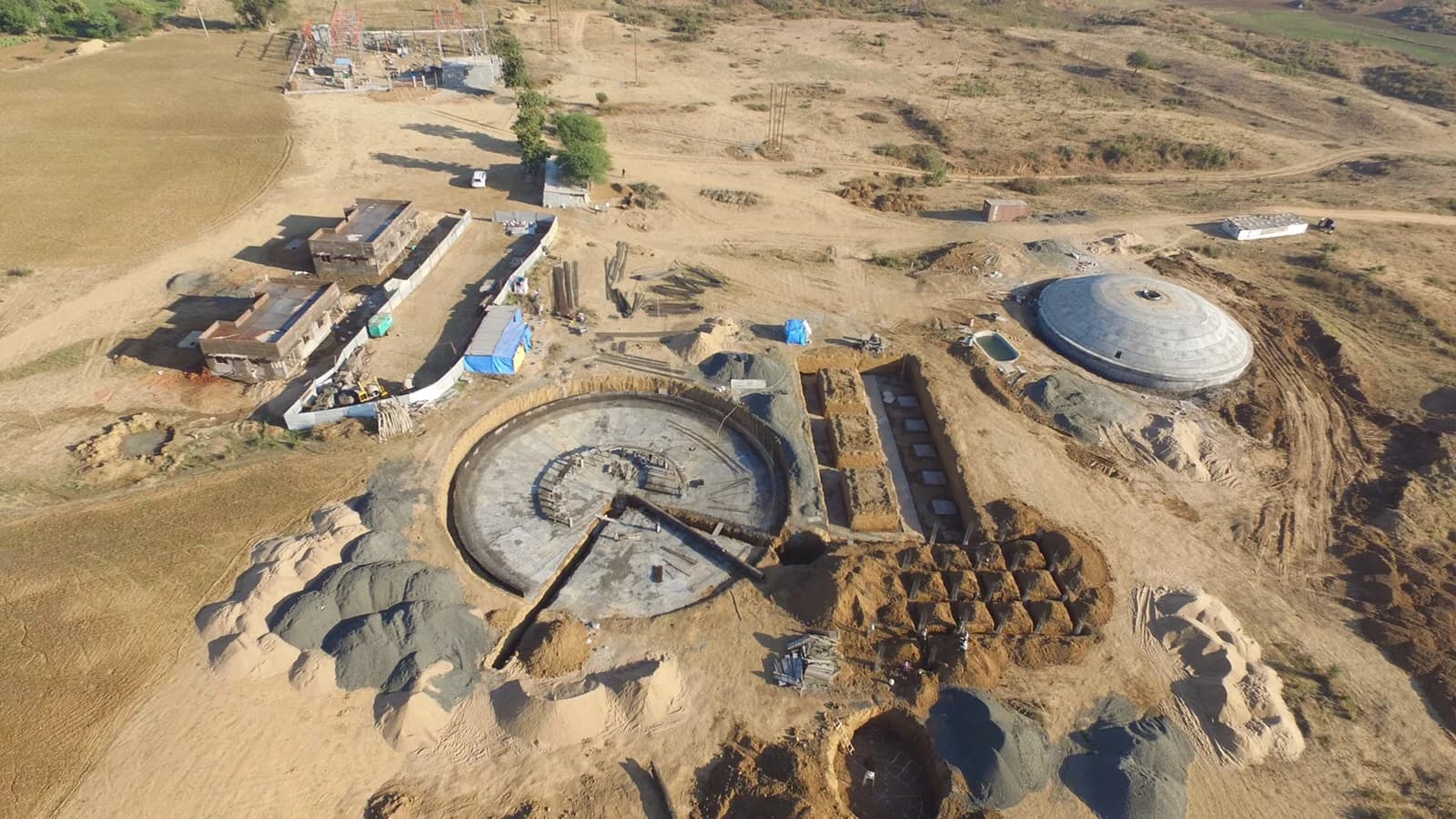
The Jal Jeevan Mission is India's largest rural water supply programme — targeting piped drinking water to every rural household by 2024 under a ₹3.6 lakh crore budget. Civil contractors are the backbone of JJM execution: building intake structures, water treatment plants, elevated service reservoirs, and thousands of kilometres of pipeline. This article explains JJM civil scope, VRSIPL's execution methodology, and water quality compliance standards.
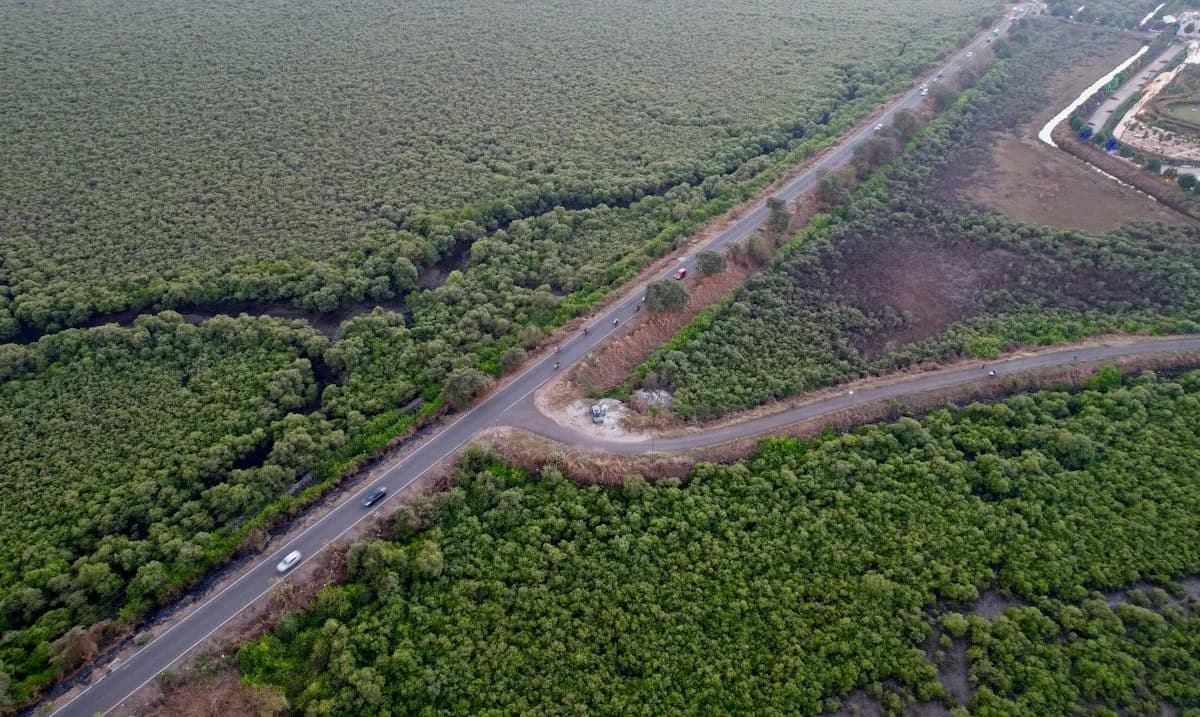
MIDC (Maharashtra Industrial Development Corporation) manages 290+ industrial estates across Maharashtra, hosting 30,000+ industries from pharma and chemicals to auto ancillary and FMCG. Factory civil construction in MIDC requires an understanding of MIDC-specific approvals, MPCB compliance, and the industry-specific civil requirements that vary across sectors. This guide covers the full landscape for industrial civil contractors working in MIDC Maharashtra.
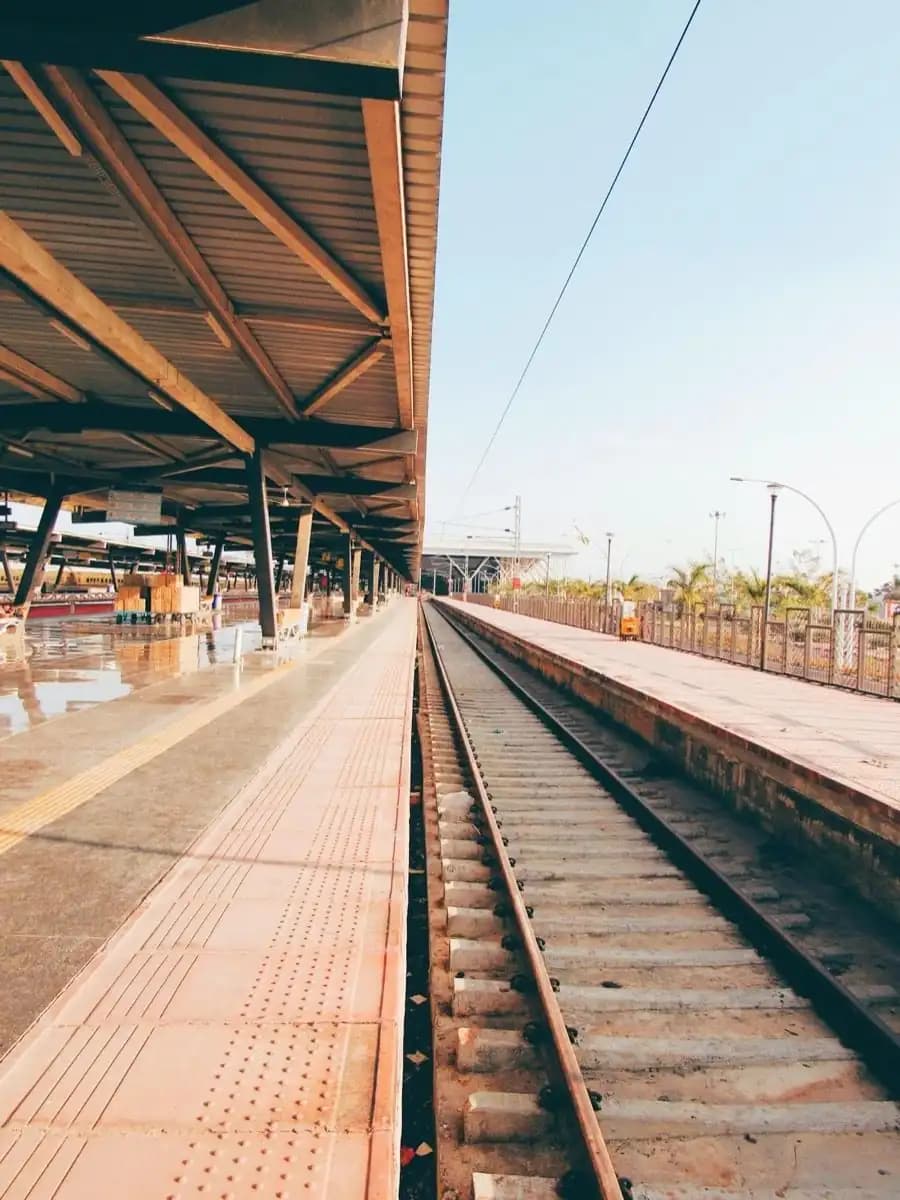
Power plant civil construction is among the most technically demanding and scale-intensive civil work in India. A single 500 MW thermal power plant can require ₹2,000–4,000 crore in civil works alone — spanning turbine halls, cooling towers, boiler foundations, ash ponds, and nuclear-grade structures. VRSIPL has delivered civil works across thermal, nuclear, and industrial power projects for clients including NTPC and NPCIL.
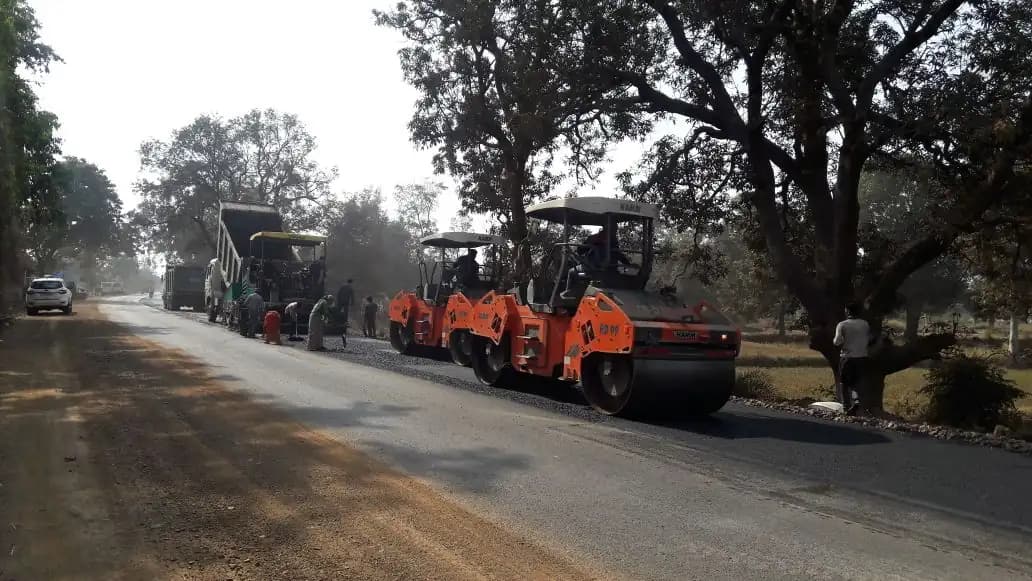
Selecting the wrong civil contractor for an infrastructure project is one of the most expensive mistakes an organisation can make — costing months in delays, crores in rework, and sometimes permanent quality damage to the asset being built. This guide gives procurement managers, project owners, and government authorities a clear, actionable 10-point framework for evaluating and selecting an EPC civil contractor in India.
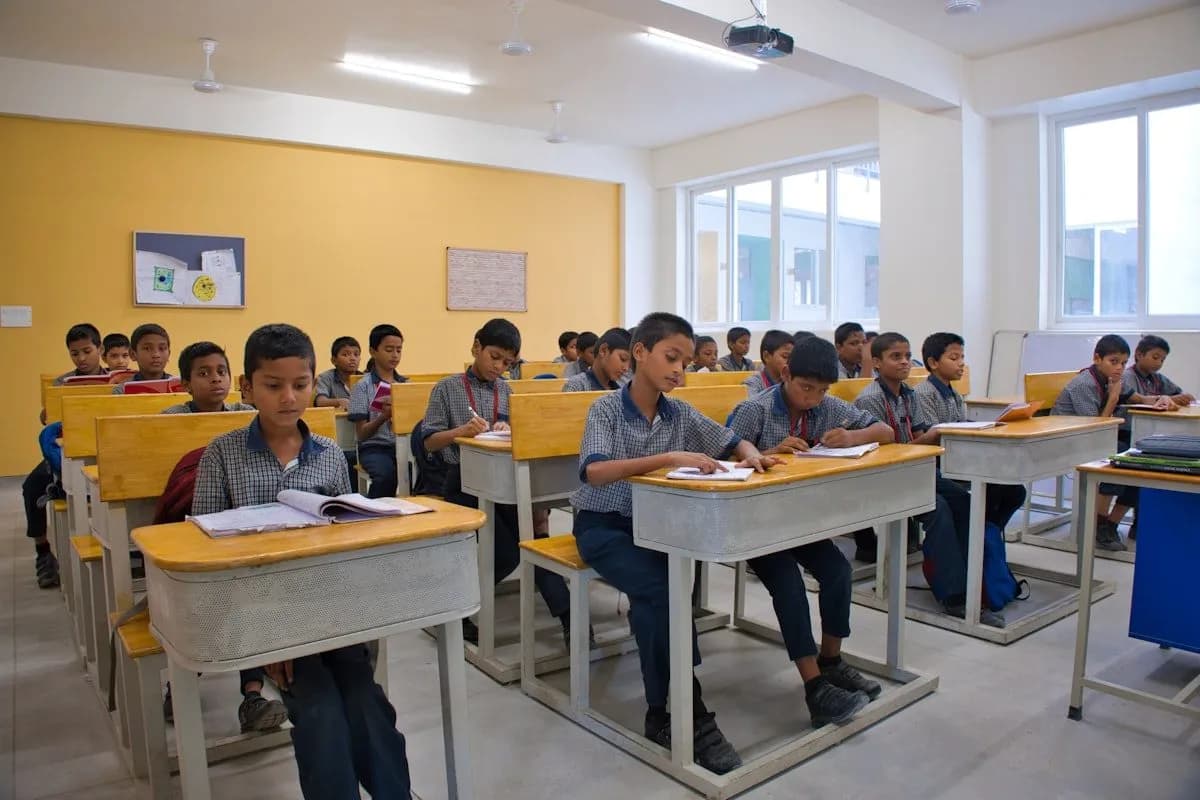
Gujarat's GIDC network — 230+ industrial estates spanning Dahej, Ankleshwar, Vatva, Sachin, Halol, and dozens of other clusters — is one of the largest planned industrial land banks in Asia. For manufacturers setting up or expanding in GIDC, a civil EPC contractor with deep GIDC experience is essential: from plot development and factory building to utility block, ETP, ESR, and GIDC approvals. VRSIPL has delivered 60+ industrial civil projects across GIDC Gujarat.
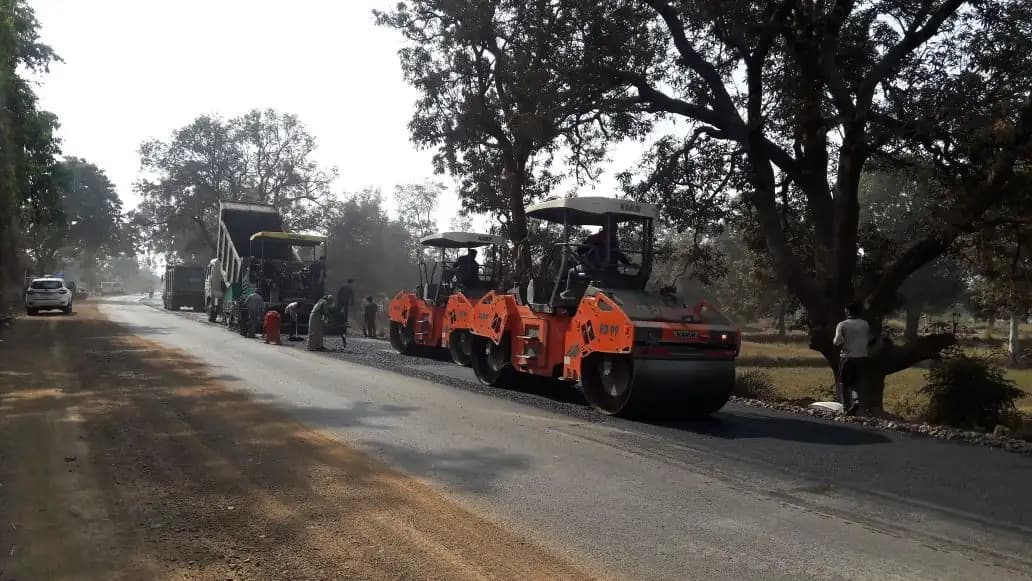
India is building highways at an unprecedented 28 km/day under Bharatmala Pariyojana. But how exactly does a national highway get built — from the first survey to the final asphalt layer? This guide explains the complete construction process as practiced by EPC contractors on NHAI and MoRTH projects.
Indian Railways is adding 5,000+ km of new track annually. Railway construction is fundamentally different from highway work — it demands formation tolerances within millimetres, structures designed for dynamic train loads, and coordination with operating railways. This guide covers the complete railway line construction process.
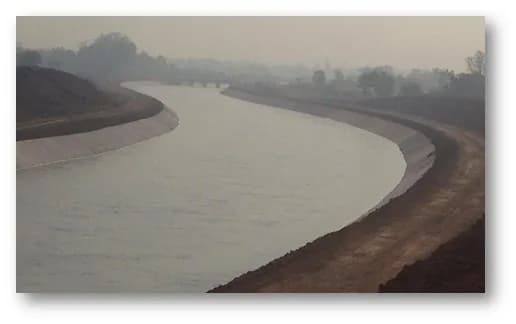
India loses 40–50% of irrigation water to seepage through unlined canals. Canal lining — with cement concrete or HDPE geomembrane — is the most effective intervention for water conservation. This guide covers the complete canal lining construction process as practiced on major irrigation projects.
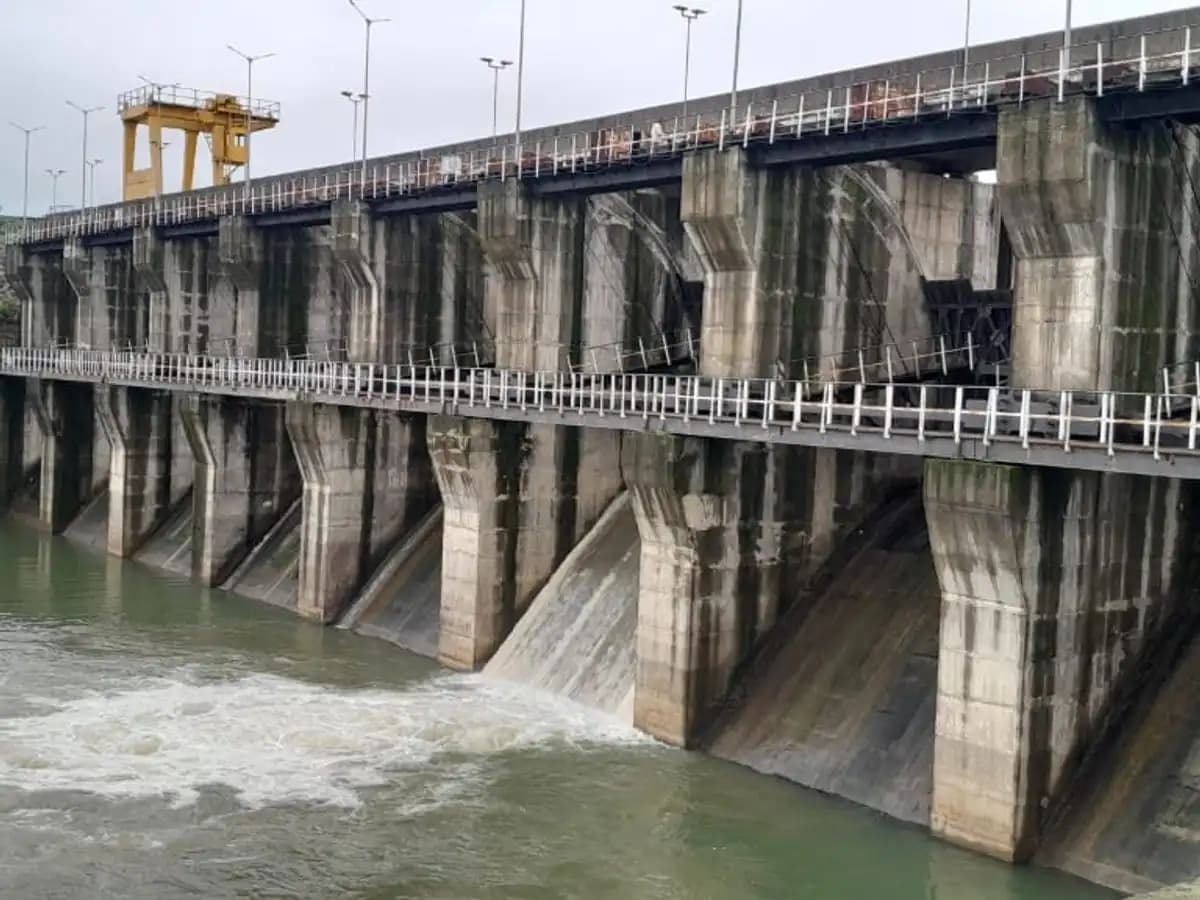
India has over 5,700 large dams — more than any country except China. Dam construction is among the most complex civil engineering challenges, requiring the management of river diversion, foundation treatment, massive earthwork, and spillway hydraulics. This guide explains how dams are built.
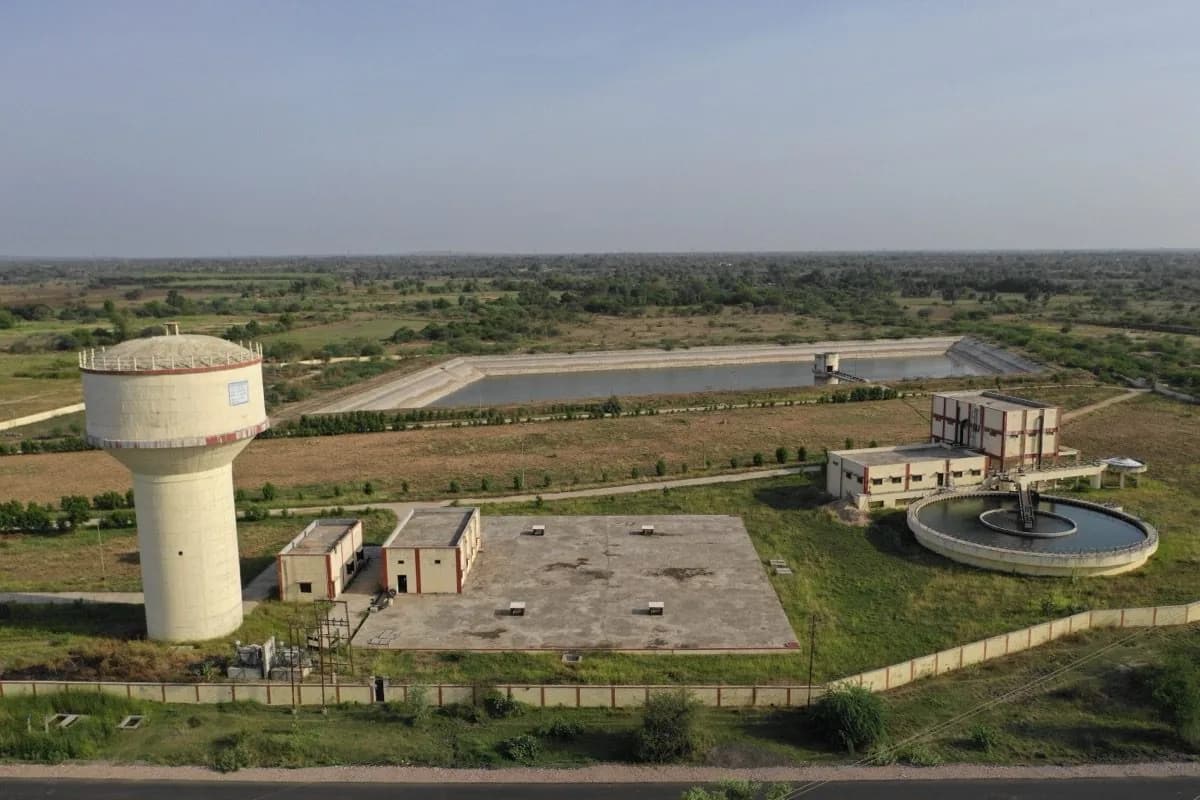
India is laying 50,000+ km of water pipelines annually under Jal Jeevan Mission and AMRUT to deliver tap water to every household. Pipeline construction — from trench excavation to pressure testing — is the backbone of every water supply scheme. This guide covers the complete process.
India builds 500+ flyovers and bridges annually as part of highway and urban infrastructure expansion. From pile boring 30 metres below ground to launching 40-metre girders, bridge construction is precision engineering at scale. This guide covers the complete process.
India's 100 Smart Cities Mission has transformed urban road construction — from simple asphalt paving to integrated infrastructure corridors with underground utilities, stormwater management, smart lighting, and pedestrian-first design. This guide covers the complete scope.
India generates 72,000 MLD of sewage but treats only 28% — the gap represents a massive construction opportunity. STP civil works — tanks, channels, buildings — represent 50–60% of total STP project cost. This guide covers the civil construction scope for modern STP technologies.
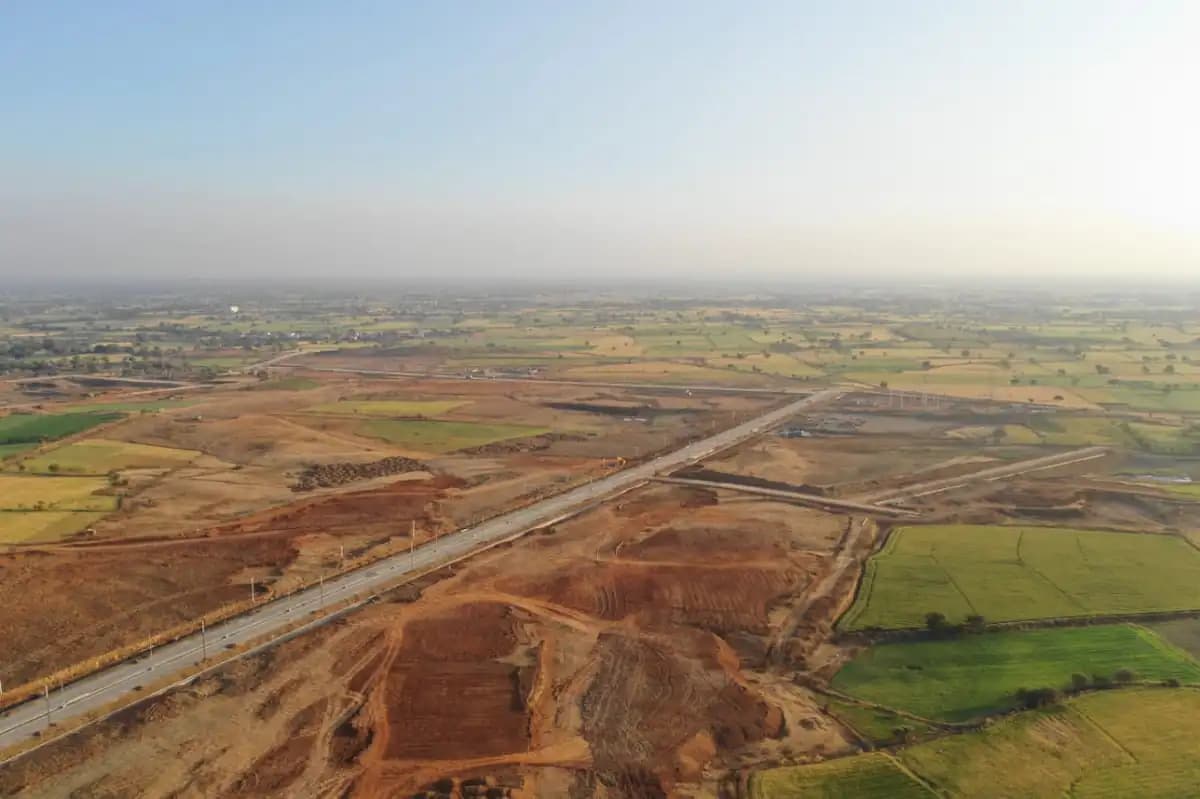
India's manufacturing boom demands millions of square metres of new industrial shed space annually. The choice between PEB (Pre-Engineered Building) and RCC frame determines cost, speed, and flexibility. This guide compares both approaches and covers the complete construction process.
India is building world-class sports stadiums at an unprecedented pace — from IPL franchise venues to Olympic-standard facilities. Stadium construction combines complex structural engineering with precision sports surface requirements. This guide covers the complete process.
India has 27 cities with approved or operational metro rail systems — the world's largest metro construction programme. Metro civil works involve massive elevated viaducts, complex underground stations, and precision track alignment. This guide covers the construction methodology.
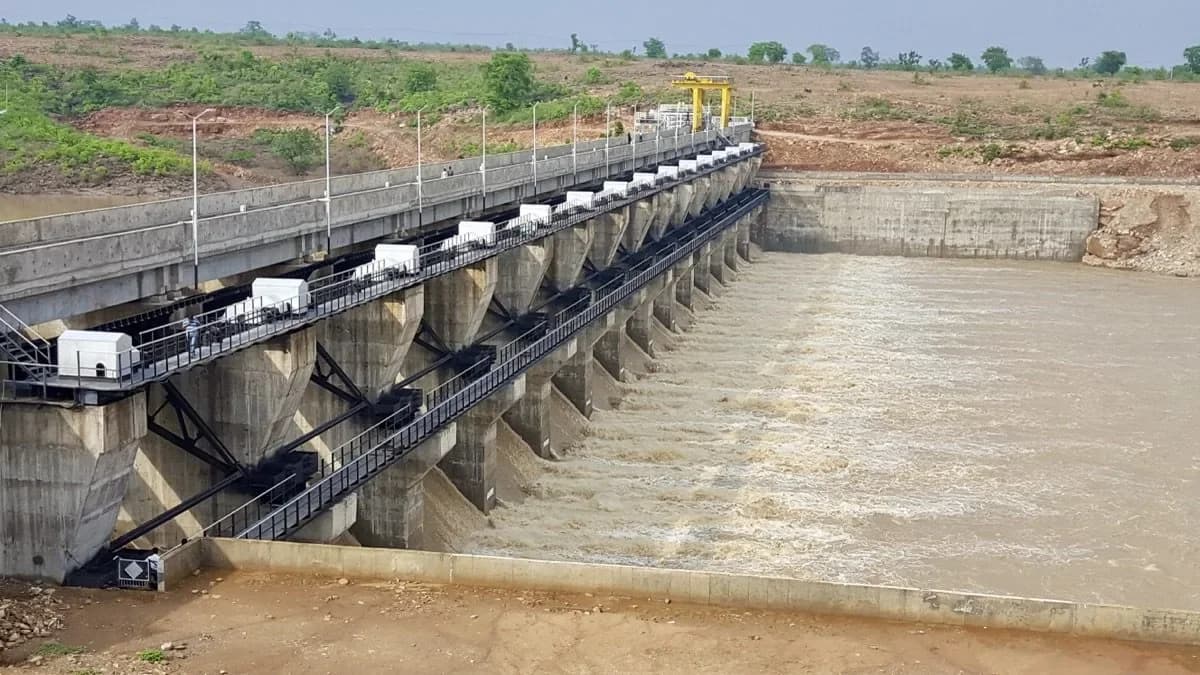
Barrages and weirs divert river water into canal systems that irrigate millions of hectares. Construction involves massive concrete work in flowing rivers, complex cofferdam engineering, and precision gate installation. VRSIPL has constructed barrages including the Pancham Nagar Barrage.
India builds thousands of government schools and hospitals annually under Samagra Shiksha, Ayushman Bharat HWC, and PMAY institutional schemes. These projects demand PWD-standard construction with strict quality, safety, and timeline compliance.
Road construction costs in India range from ₹1 crore/km for rural roads to ₹100+ crore/km for access-controlled expressways. This article provides a detailed cost breakdown for every road type — useful for project estimation, tender analysis, and investment planning.
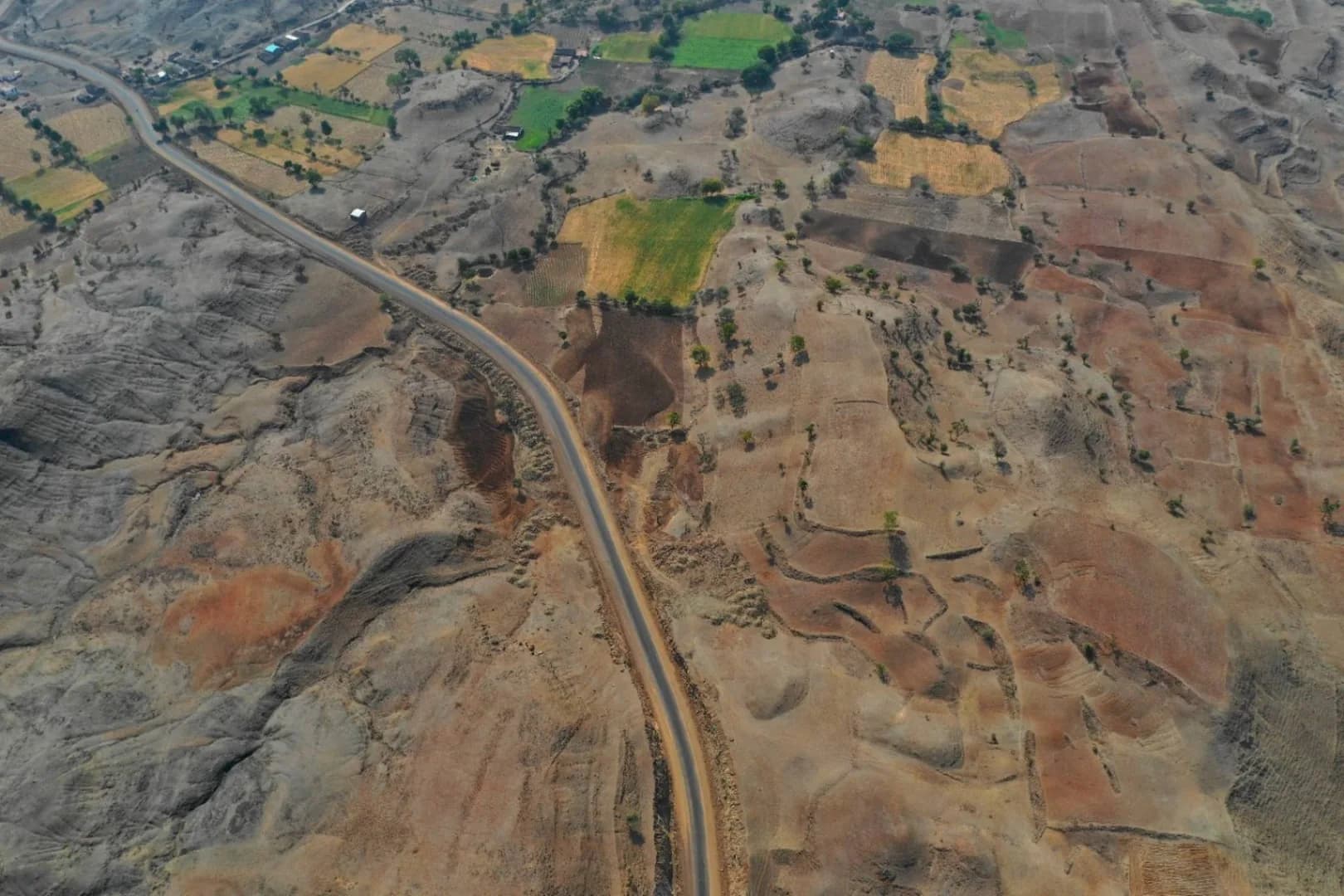
Every infrastructure project in India is awarded under one of several contract models — EPC (lump sum), item rate, percentage rate, or hybrid. The choice profoundly affects risk allocation, cost certainty, and project outcomes. This guide compares the major models.
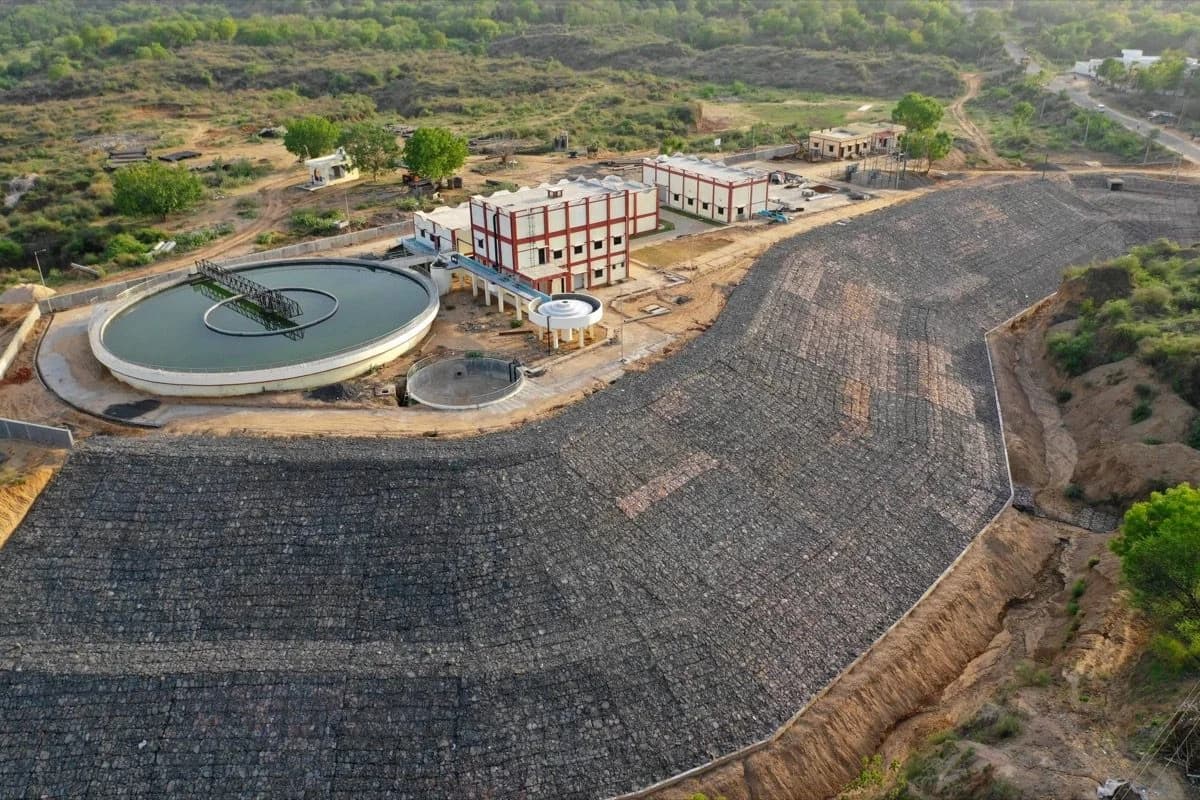
Every litre of safe drinking water passes through a WTP — from coagulation to filtration to disinfection. WTP civil construction involves precision RCC hydraulic structures where flow paths, levels, and velocities must be exactly right. This guide covers the complete WTP construction scope.
60% of India's land area is in seismic zones III, IV, or V — meaning most buildings must be designed and constructed to resist earthquakes. This guide covers the key Indian standards and construction practices that make buildings earthquake-resistant.
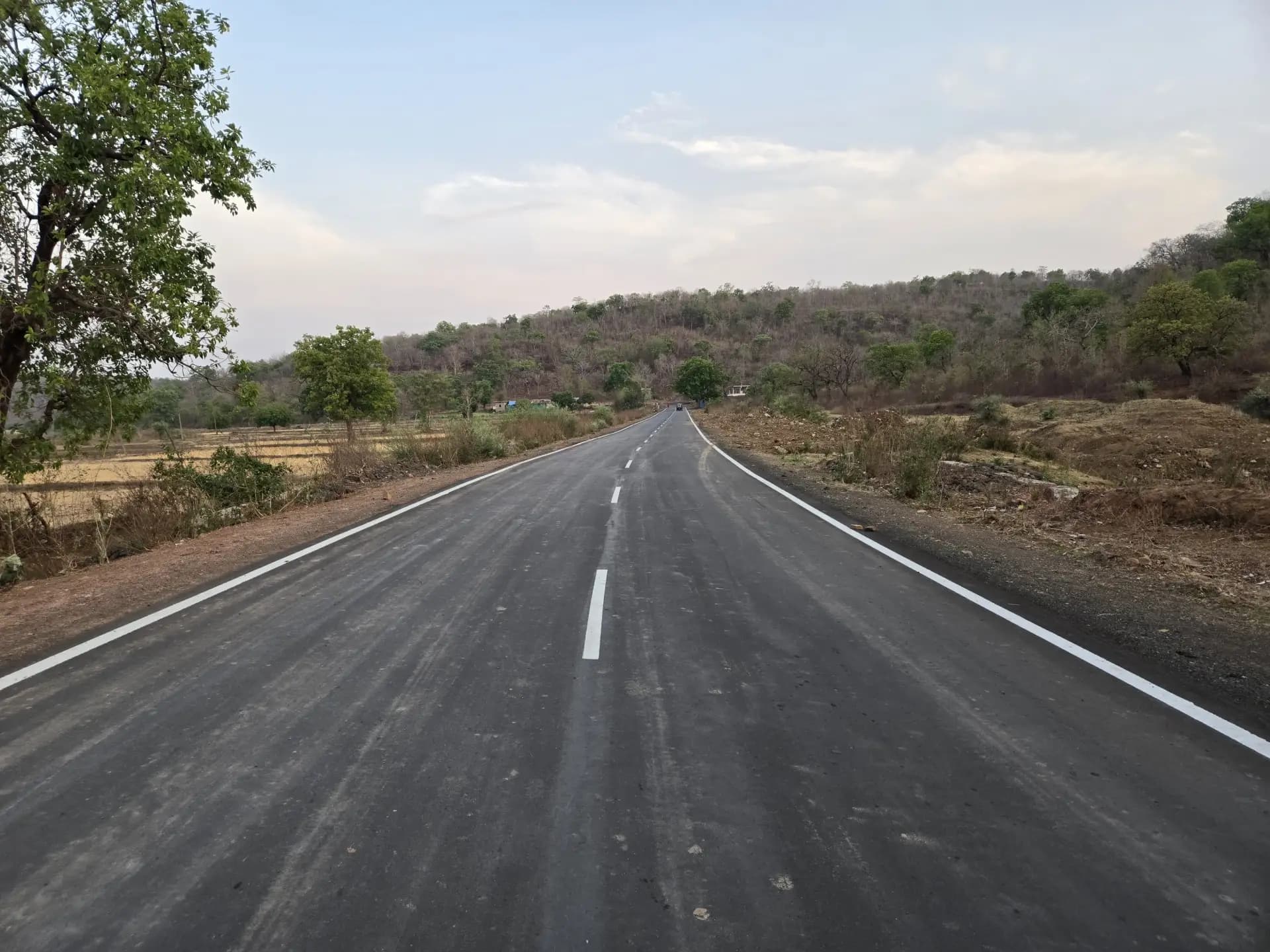
Government infrastructure contracts worth ₹15+ lakh crore are tendered annually in India. Understanding the bidding process — from registration to bid submission to contract award — is essential for any EPC contractor. This guide covers the complete process based on 48 years of experience.
India's 5,700+ large dams are split between earthen embankment dams (70%) and concrete/masonry dams (30%). The choice depends on valley geometry, foundation conditions, and available materials. This guide compares both types to help engineers and project planners make informed decisions.
EPC stands for Engineering, Procurement, and Construction — a turnkey project delivery model where a single contractor handles everything from design to commissioning. It's the dominant model for large infrastructure in India. Here's what it means and how it works.
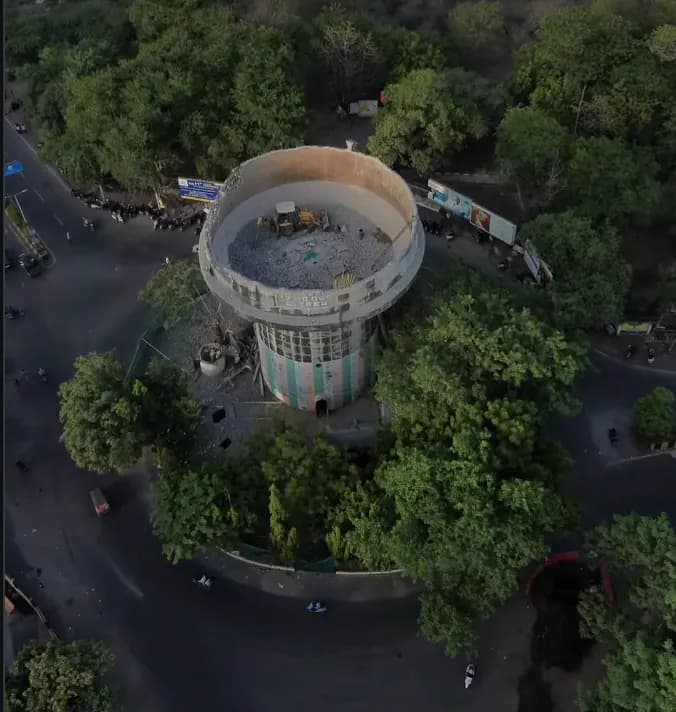
In Kaliyabid, Bhavnagar, a water tank VRSIPL built in 1985 is being demolished to make way for a taller replacement. A month in, the Bhavnagar Municipal Corporation is still working on it — the RCC construction was too strong for jack-hammers, and crews had to mount a JCB excavator on top of the tank to break through.
India targets 500 GW renewable energy capacity by 2030. Every megawatt of solar capacity requires precise civil infrastructure — from pile-driven module foundations to 220kV substation buildings. This guide explains the complete civil construction scope at utility-scale solar parks as practiced by EPC contractors.
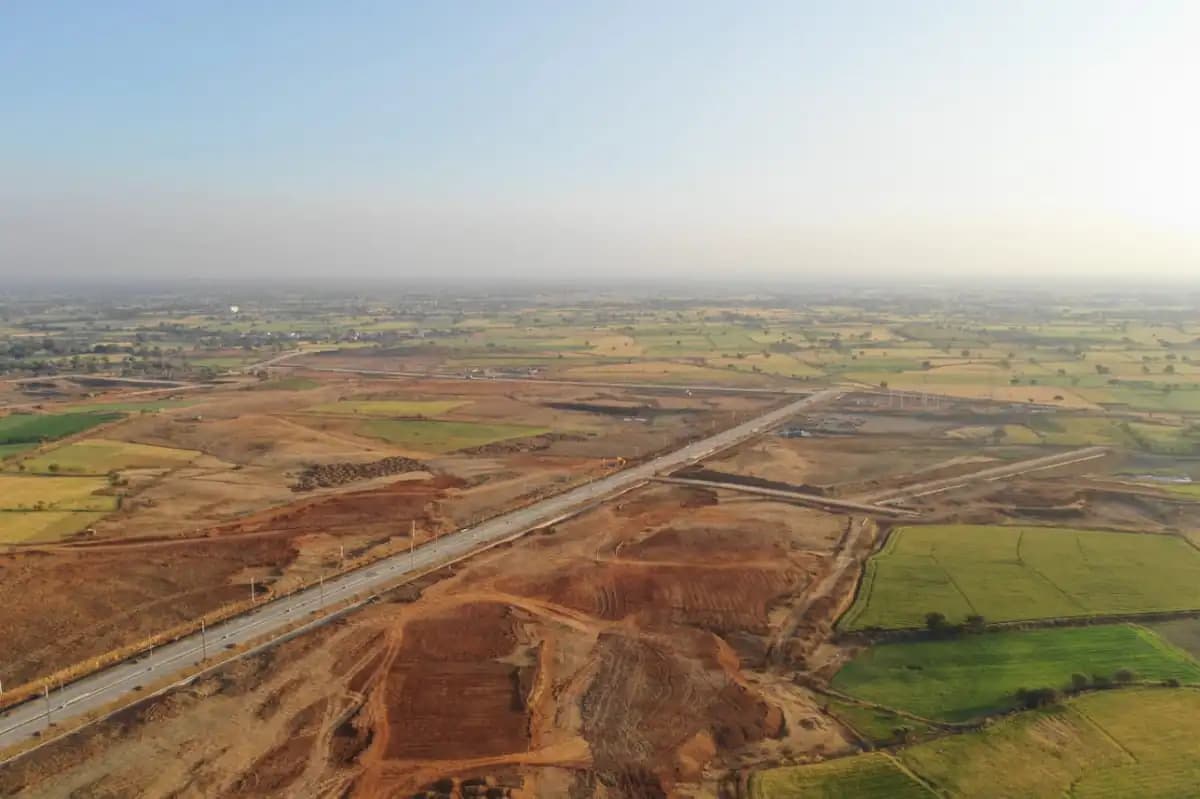
India's oil and gas pipeline network spans 35,000+ km with another 15,000 km under execution. Cross-country pipeline construction combines civil engineering, welding technology, and environmental management across diverse terrains. This guide explains the complete EPC process for oil and gas pipelines in India.
India's industrial growth requires world-class industrial parks with complete infrastructure — roads, water supply, drainage, ETP/CETP, substations, and buildings. This guide explains the complete development process for GIDC, MIDC, RIICO, and SIPCOT industrial estates as executed by turnkey EPC contractors.
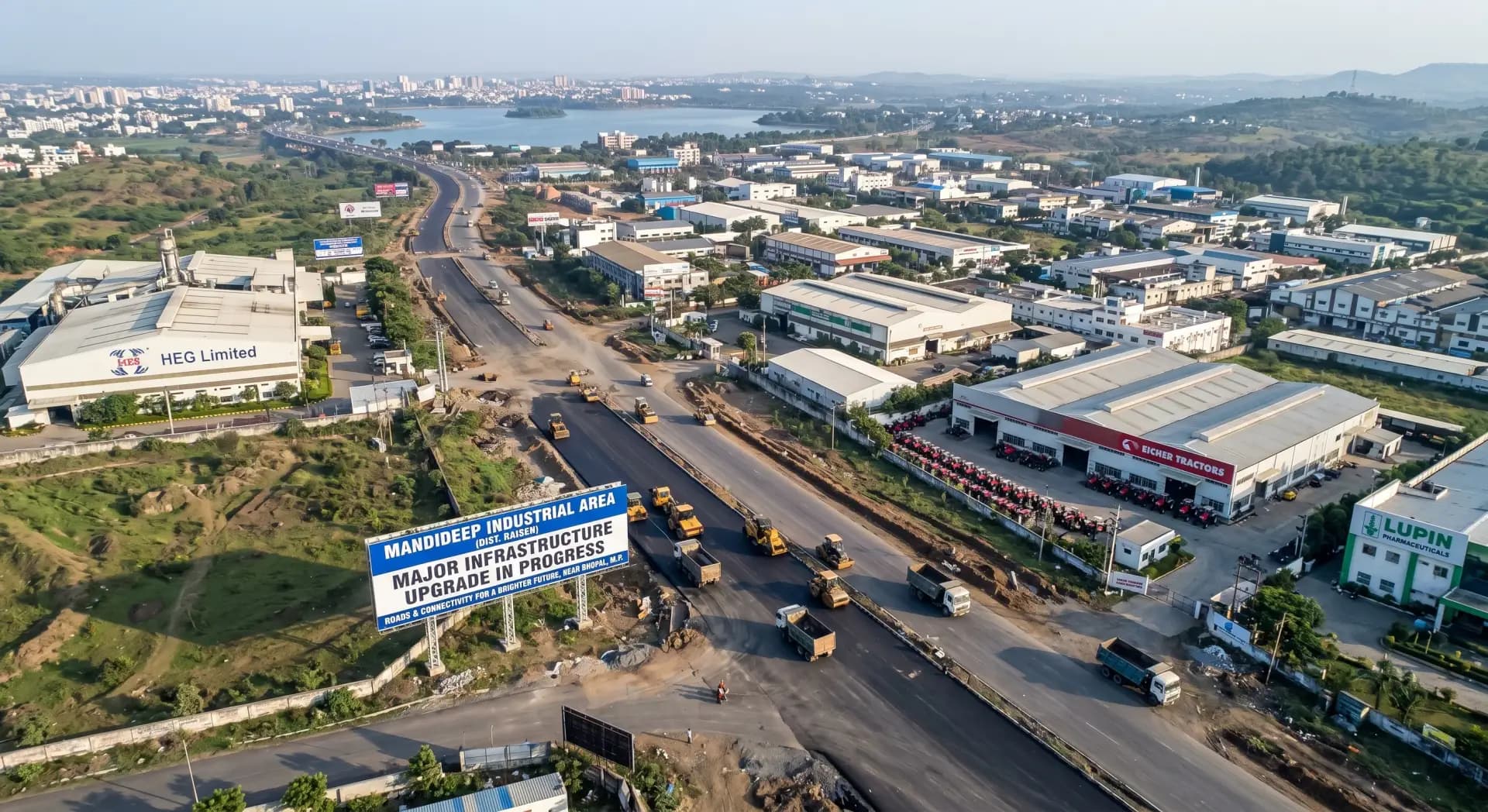
India's power sector expansion requires thousands of new substations — from 33kV distribution to 765kV transmission. The civil construction scope determines structural integrity for 40+ year operational life. This guide explains substation civil works as executed by EPC contractors.
Have a Project?
48 years. 500+ projects. Class-AA civil contractor for GIDC/MIDC factory civil, STP/WTP/ETP, Jal Jeevan Mission, power plant civil, and industrial EPC across India.
Contact VRSIPL