
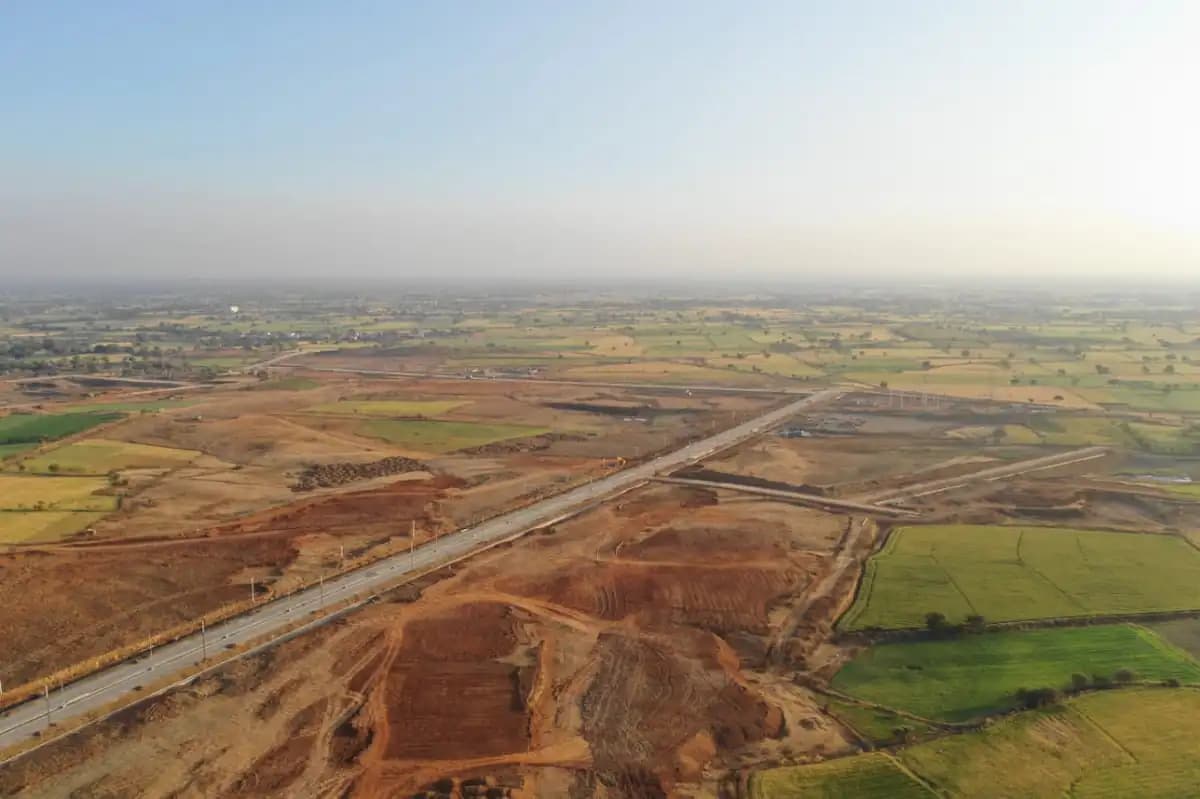
Introduction: Pharma Manufacturing in Gujarat's GIDC Estates
Gujarat is the undisputed engine of India's pharmaceutical industry. The state accounts for over 40% of India's total pharmaceutical exports — a figure that translates into hundreds of API (Active Pharmaceutical Ingredient) manufacturers, bulk drug units, and formulation plants operating out of GIDC industrial estates scattered across the state. These estates — Ankleshwar, Panoli, Vatva, Naroda, Sachin, Dahej, Jhagadia, and Vilayat — collectively host thousands of pharma and chemical units that together serve domestic and global markets.
For every one of these pharma units, civil construction is the absolute foundation — quite literally. Before a single reactor is installed, before a single tablet press is commissioned, the civil contractor must deliver a site that meets the stringent requirements of Good Manufacturing Practices (GMP), Gujarat Pollution Control Board (GPCB) norms, factory inspector approvals, and GIDC plot conditions.
Pharma plant civil construction is meaningfully different from ordinary industrial construction. The floor levels must be precisely graded for drainage. Cleanroom areas demand civil structures that accept epoxy-coated smooth finishes. Utility buildings — housing boilers, chillers, DG sets, and AHU systems — carry heavy equipment loads that require specialised foundation design. ETP civil works are mandatory for every GIDC pharma unit that discharges process effluent.
Yet many pharma manufacturers — particularly those expanding or setting up new API plants in GIDC — hire general-purpose civil contractors without understanding the specific requirements of pharma-grade civil work. The result is often costly rework: floor levels that don't drain properly, anchor bolt placements that don't match equipment layout, vibration isolation civil that isn't designed for sensitive analytical instruments, or ETP civil that fails GPCB inspection. This guide addresses all of that — covering every civil scope element in a typical GIDC pharma plant project, the regulatory landscape, and what to look for when selecting a civil contractor.
What Civil Work Goes Into a Pharma Plant?
The civil scope for a GIDC pharma plant is broad and must be planned holistically before construction begins. Here is a comprehensive breakdown of every civil structure and scope item a typical API or formulation plant involves:
Site Grading and Development:
The first step is transforming a raw GIDC plot into a level, graded, and drained platform. This involves earthwork — cutting and filling to achieve the finished floor level (FFL) for the factory — proper slope for stormwater drainage, and compaction of the sub-grade. Pharma plants require precise site grading because floor levels across interconnected buildings must align with equipment inlet/outlet heights.
RCC Framed Factory Building:
The main production block is typically a reinforced concrete framed structure — columns, beams, slabs, and staircases — designed to carry the dead and live loads of pharma equipment. The frame must accommodate future equipment modification, so flexibility in bay sizes and slab capacities matters. Heights are typically 5–8 metres for ground-floor production blocks.
Cleanroom Civil Structure:
For sterile formulations and injectable manufacturing, the production area requires cleanroom walls, false ceilings, and epoxy-coated floors. The civil contractor is responsible for constructing the RCC base structure — the underlying slab and walls — that will receive the cleanroom modular partitions and false ceiling grid. The civil must achieve flatness tolerances of ±3 mm over 3 metres, or the cleanroom finishing will fail.
Utility Building Complex:
Every pharma plant requires a dedicated utility block — typically a separate building or building wing — housing the boiler and steam distribution, chiller plant and cooling tower, DG sets (diesel generators), AHU (Air Handling Units) for HVAC, compressed air plant, and RO/DM (Reverse Osmosis / Demineralised water) treatment plant. Each of these systems imposes specific civil requirements: boiler house foundations with vibration isolation, DG room with sound-attenuated walls and anti-vibration mounts, AHU rooms with adequate structural depth for overhead ductwork, and RO/DM rooms with chemical-resistant tile flooring and acid drain channels.
ETP Civil Works:
The Effluent Treatment Plant is mandatory for every GIDC pharma unit. ETP civil scope includes equalization tank, primary treatment units (flash mixer chamber, tube settler or clariflocculator), biological treatment tank (aeration tank for ASP, or SBR/MBBR tanks), secondary clarifier, sludge thickener, sludge drying beds, chemical dosing area, filter press room, lab building, and operator control room.
Solvent Storage Area and Bund Wall:
Pharma plants handling organic solvents must have a dedicated solvent storage area with impermeable RCC bund walls designed to contain spills. The bund wall must be designed to retain 110% of the largest tank volume. This is a regulatory requirement under Factory Act and GPCB norms.
Warehousing and Ancillary Buildings:
The plant typically requires a raw material godown, a finished goods warehouse (often with temperature-controlled area civil structure), a quality control laboratory block, an admin and HR block, and a canteen/rest room building. Each has distinct civil requirements — warehouse floors must carry forklift loads, QC lab needs vibration-free flooring near analytical instruments.
Infrastructure and External Works:
Internal roads (with load-bearing design for trucks), stormwater drains, compound wall with security cabin, underground water supply network, overhead water storage tank (RCC or HDPE), underground fire water tank, sewage network, and landscaping areas.
GIDC Norms and Approvals — What a Pharma Civil Contractor Must Know
Civil construction in GIDC estates is subject to a layered regulatory framework. A contractor who is unfamiliar with these approvals can inadvertently cause delays that cost manufacturers weeks or months of lost production commissioning time.
GIDC Factory Plot Conditions:
Every GIDC plot allotment comes with specific conditions including maximum permissible covered area (ground coverage ratio), maximum permissible FAR (Floor Area Ratio), mandatory setbacks from plot boundaries, building height limits, and mandatory green belt area. Civil construction must respect all of these, and the factory building plan must be approved by GIDC's estate office before construction begins.
Factory Plan Approval:
Under the Factories Act 1948, the factory plan must be approved by the Chief Inspector of Factories, Government of Gujarat, before construction. This approval is site-specific and requires the civil contractor to submit detailed drawings showing room layouts, escape routes, emergency exits, machine placement zones, loading dock design, and more.
GPCB Consent to Establish:
The Gujarat Pollution Control Board (GPCB) issues a Consent to Establish (CTE) before construction and a Consent to Operate (CTO) before production starts. The CTE requires the manufacturer to submit a detailed ETP design — and the civil contractor must build the ETP strictly as per the approved design. Any deviation requires fresh approval. This means the civil contractor must work closely with the ETP equipment vendor and the GPCB consultant to align civil design with the process design.
Fire NOC from GIDC Fire Department:
After construction but before commissioning, the GIDC fire department inspects the plant for fire safety compliance — adequate fire water storage, fire hydrant network, sprinkler system (where required), fire escape routes, emergency exits width, and more. The civil contractor must build all fire-safety civil elements — fire hydrant pits, underground fire water tank, external hydrant network — to GIDC fire safety standards.
Electrical Inspector Clearance:
For DG rooms, HT/LT substation civil works, and earthing systems, the Gujarat Electrical Inspector must clear the civil and electrical installation before energisation.
VRSIPL's Pharma Civil Projects in Gujarat
VRSIPL — Velji Ratna Sorathia Infra Private Limited — has been executing industrial civil projects across GIDC estates for over four decades. With 60+ industrial civil projects completed and an active presence across Gujarat's major pharmaceutical and chemical clusters, VRSIPL brings a depth of understanding to pharma plant civil construction that goes well beyond standard industrial contracting.
Our pharma civil project portfolio spans API manufacturing units in Ankleshwar and Panoli GIDC, formulation plants in Vatva and Naroda, cold storage civil structures for biologics manufacturers, utility building complexes including boiler houses and AHU rooms, and ETP civil works designed to GPCB standards. We have executed cleanroom civil base structures — the underlying RCC slab and wall work that supports cleanroom modular fit-out — for sterile injectable manufacturers, and large-scale solvent storage bund walls for bulk drug plants.
Through these projects, VRSIPL has developed deep familiarity with the GIDC approval process, GPCB CTE/CTO documentation requirements, Factory Inspector drawing submission, and GIDC fire NOC inspection preparation. Our project managers and site engineers understand that pharma project timelines are driven by equipment vendor delivery and manufacturing commissioning deadlines — so civil handover must happen on schedule.
We also maintain strong on-site execution capability: our own concrete batching plants (eliminating dependence on ready-mix concrete availability in remote GIDC locations), transit mixers, concrete pumps, and skilled shuttering carpenter teams. For pharma floor work — which requires precise levelling, power float finishing, and epoxy base preparation — we deploy dedicated flooring specialists who understand the tolerance requirements of GMP-grade floors.
Why Choose a Specialist Civil Contractor for Your Pharma Plant?
The quality of pharma plant civil construction has a direct and measurable impact on manufacturing outcomes. Consider these specific examples:
Floor Level Accuracy:
Pharmaceutical process equipment — reactors, centrifuges, distillation columns — are installed on civil bases. If the floor level varies by more than 5–10 mm from design, equipment cannot be level-mounted without shimming, which introduces stress on equipment feet and creates vibration problems. A specialist civil contractor works to tight level tolerances.
Anchor Bolt Placement:
Process equipment is anchored to the RCC floor using pre-cast anchor bolts or anchor inserts. The bolt position must match the equipment's base plate drilling pattern exactly. An error of even 10–15 mm can require core drilling — a costly and time-consuming rework. VRSIPL's site engineers verify every anchor bolt position against the vendor's general arrangement drawing before concrete is poured.
Vibration Isolation Civil Works:
Sensitive analytical instruments — HPLC systems, dissolution testers, Karl Fischer titrators — require vibration-isolated mounting. This means the civil contractor must construct isolated concrete pads or inertia blocks, decoupled from the main building slab by anti-vibration mounts. A general contractor unfamiliar with pharma requirements will simply pour a regular floor slab, and the instruments will fail vibration tests during validation.
Chemical Resistance:
Drain channels, floor coatings, and chemical storage bund walls must be constructed with materials resistant to the specific chemicals used on site. The civil contractor must know the difference between acid-resistant brick lining and epoxy screed, and must specify and apply the correct materials in coordination with the process engineer.
GMP Documentation:
Pharmaceutical manufacturers operating under USFDA, EU GMP, or WHO GMP standards require civil as-built drawings, material test certificates, concrete cube test records, and construction quality records as part of their qualification documentation. VRSIPL maintains full construction documentation — an essential requirement for any pharma client.
The bottom line: a specialist civil contractor with pharma sector experience saves the manufacturer time, cost, and the significant risk of regulatory non-compliance during plant qualification and inspection.
FAQ — Pharma Plant Civil Construction in GIDC Gujarat
Q1: How long does civil construction typically take for a greenfield pharma plant in GIDC Gujarat?
A typical greenfield pharma plant of 5,000–10,000 sq.m. built-up area in a GIDC plot — including factory building, utility block, ETP, and external works — takes 14–20 months from site handover to civil completion. The timeline depends heavily on plot size, scope, and the availability of GPCB and factory plan approvals. VRSIPL's pre-construction planning process ensures that approval submissions run in parallel with initial civil work (compound wall, site levelling), minimising total project duration.
Q2: Does VRSIPL handle ETP civil works along with factory civil, or is it a separate contract?
VRSIPL routinely handles both factory civil and ETP civil works under a single civil contract. This integrated approach eliminates interface conflicts between two contractors and gives the manufacturer a single point of accountability for civil delivery. The ETP civil design is coordinated directly with the ETP equipment vendor and the GPCB-approved ETP designer.
Q3: What is the cost per square foot for pharma factory civil construction in GIDC?
The civil cost per sq.ft. of covered area for a pharma factory in GIDC depends heavily on specification — structural design, floor finish specification, and the scope of utility and ETP works. A basic API factory shell (RCC frame + simple finishes) ranges from ₹1,800–2,500 per sq.ft. of built-up area. Adding GMP floors, cleanroom civil structure, utility building, and ETP civil work will take the blended cost to ₹2,500–4,000+ per sq.ft. VRSIPL provides detailed cost estimates after reviewing the plot plan and production brief.
Q4: Can VRSIPL execute pharma plant civil works on a fast-track schedule?
Yes. VRSIPL has executed pharma plant civil projects on accelerated schedules for manufacturers with tight production commissioning deadlines. Our approach includes parallel work fronts (superstructure work on one end while foundation work completes on the other), extended shift working, and deployment of additional shuttering teams and concrete placement resources. Fast-track civil execution requires higher resource deployment and a confirmed design freeze from the manufacturer — VRSIPL will advise on requirements at the planning stage.
Q5: Does VRSIPL provide civil as-built drawings and material test certificates for GMP documentation?
Absolutely. VRSIPL maintains systematic construction documentation on all pharma projects: concrete mix design reports, cube test results (28-day compressive strength), reinforcement bar mill test certificates, waterproofing material datasheets and application records, and full as-built drawing sets. This documentation set supports the manufacturer's Civil Qualification (CQ) or Design Qualification (DQ) documentation required under USFDA, EU GMP, and WHO GMP guidelines.
Pharma Plant Civil Scope — Quick Reference by Building Type
Different buildings within a pharma plant have different civil requirements. Use this reference when briefing your civil contractor:
<div class="overflow-x-auto my-6"><table class="w-full text-sm border-collapse border border-gray-200"><thead><tr class="bg-[#0C1530] text-white"><th class="border border-gray-300 px-4 py-3 text-left">Building / Area</th><th class="border border-gray-300 px-4 py-3 text-left">Floor Spec</th><th class="border border-gray-300 px-4 py-3 text-left">Special Civil Requirement</th><th class="border border-gray-300 px-4 py-3 text-left">Approval Required</th></tr></thead><tbody><tr class="bg-white"><td class="border border-gray-200 px-4 py-3 font-medium">API Production Block</td><td class="border border-gray-200 px-4 py-3">Epoxy-coated, ±3mm flatness</td><td class="border border-gray-200 px-4 py-3">Anchor bolts per GA drawing, vibration isolation for analytical instruments</td><td class="border border-gray-200 px-4 py-3">Factory Inspector Plan</td></tr><tr class="bg-gray-50"><td class="border border-gray-200 px-4 py-3 font-medium">Cleanroom Area</td><td class="border border-gray-200 px-4 py-3">Epoxy screed, coved skirting</td><td class="border border-gray-200 px-4 py-3">RCC base for modular cleanroom partition system, sealed service penetrations</td><td class="border border-gray-200 px-4 py-3">GMP validation documentation</td></tr><tr class="bg-white"><td class="border border-gray-200 px-4 py-3 font-medium">Boiler House</td><td class="border border-gray-200 px-4 py-3">Industrial concrete</td><td class="border border-gray-200 px-4 py-3">Anti-vibration foundation plinths, flue chimney civil, ash handling area</td><td class="border border-gray-200 px-4 py-3">IBR (Indian Boiler Regulations)</td></tr><tr class="bg-gray-50"><td class="border border-gray-200 px-4 py-3 font-medium">DG Room</td><td class="border border-gray-200 px-4 py-3">Industrial concrete</td><td class="border border-gray-200 px-4 py-3">Sound-attenuated walls, anti-vibration mounts, fuel oil day tank bund</td><td class="border border-gray-200 px-4 py-3">Electrical Inspector</td></tr><tr class="bg-white"><td class="border border-gray-200 px-4 py-3 font-medium">ETP</td><td class="border border-gray-200 px-4 py-3">Acid/chemical resistant</td><td class="border border-gray-200 px-4 py-3">IS:3370 watertight RCC tanks, GPCB-approved process civil design</td><td class="border border-gray-200 px-4 py-3">GPCB CTE/CTO</td></tr><tr class="bg-gray-50"><td class="border border-gray-200 px-4 py-3 font-medium">Solvent Storage</td><td class="border border-gray-200 px-4 py-3">Solvent-resistant screed</td><td class="border border-gray-200 px-4 py-3">RCC bund wall (110% of largest tank), earthing/bonding civil provisions</td><td class="border border-gray-200 px-4 py-3">Factory Inspector + GIDC Fire NOC</td></tr><tr class="bg-white"><td class="border border-gray-200 px-4 py-3 font-medium">QC Laboratory</td><td class="border border-gray-200 px-4 py-3">Vibration-free screed</td><td class="border border-gray-200 px-4 py-3">Isolated instrument mounting areas, acid drain channels, fume cupboard civil</td><td class="border border-gray-200 px-4 py-3">Factory Inspector</td></tr></tbody></table></div>
Related Topics
Continue Reading
Related Articles
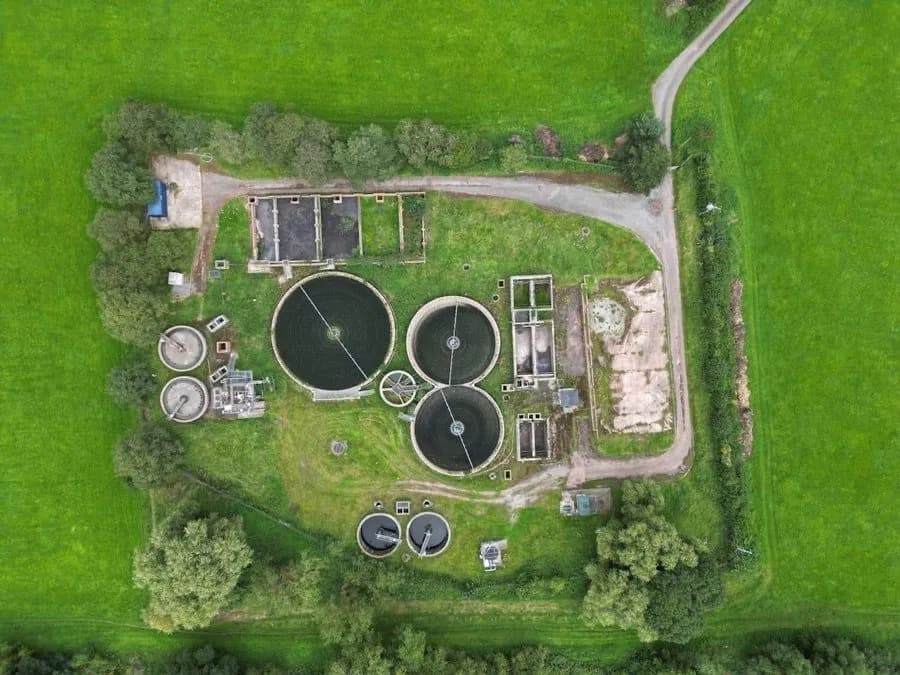
ETP and ZLD Civil Works for Chemical Industries in GIDC — Complete Guide
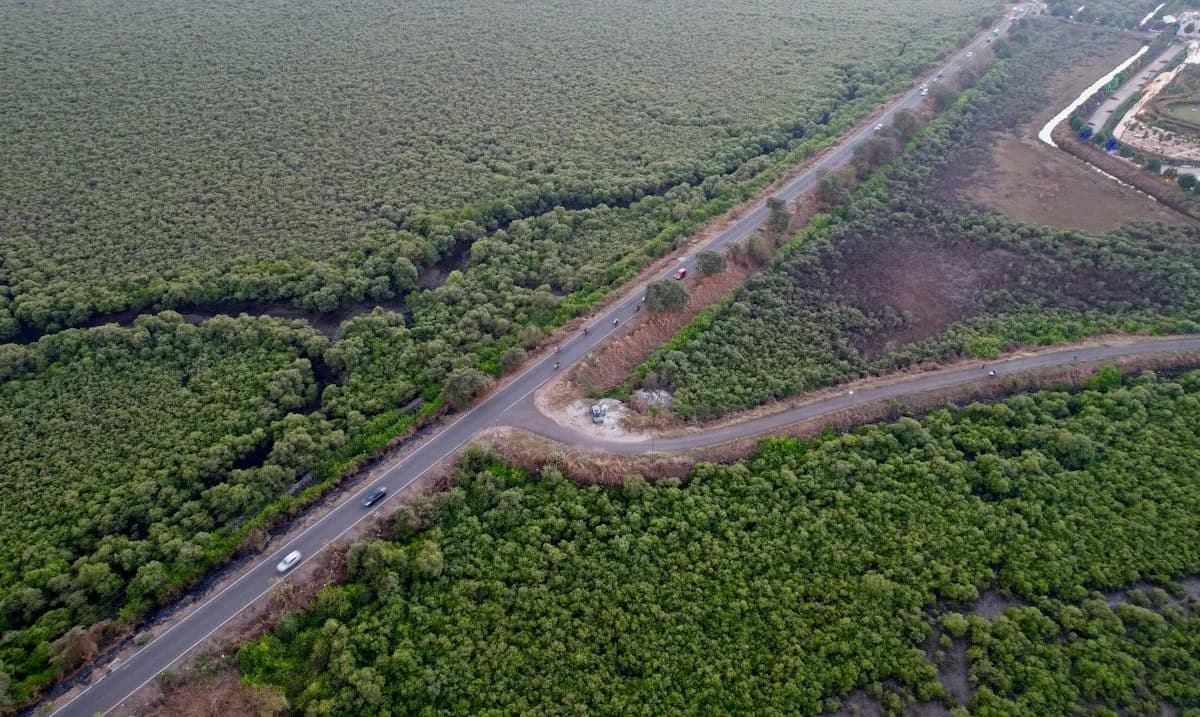
MIDC Industrial Civil Contractor — Factory & Plant Civil Works in Maharashtra
Industrial Civil EPC Contractor for GIDC Gujarat — Factory to Utilities
Our Related Services
VRSIPL Services Covered in This Guide
Start Your Project
Have an Infrastructure Project?
Contact VRSIPL.
48 years of civil EPC delivery across India — WTP, STP, ETP, industrial civil, power plant, roads, and railways. Class-AA Gujarat. ISO 9001 | 14001 | 45001.