
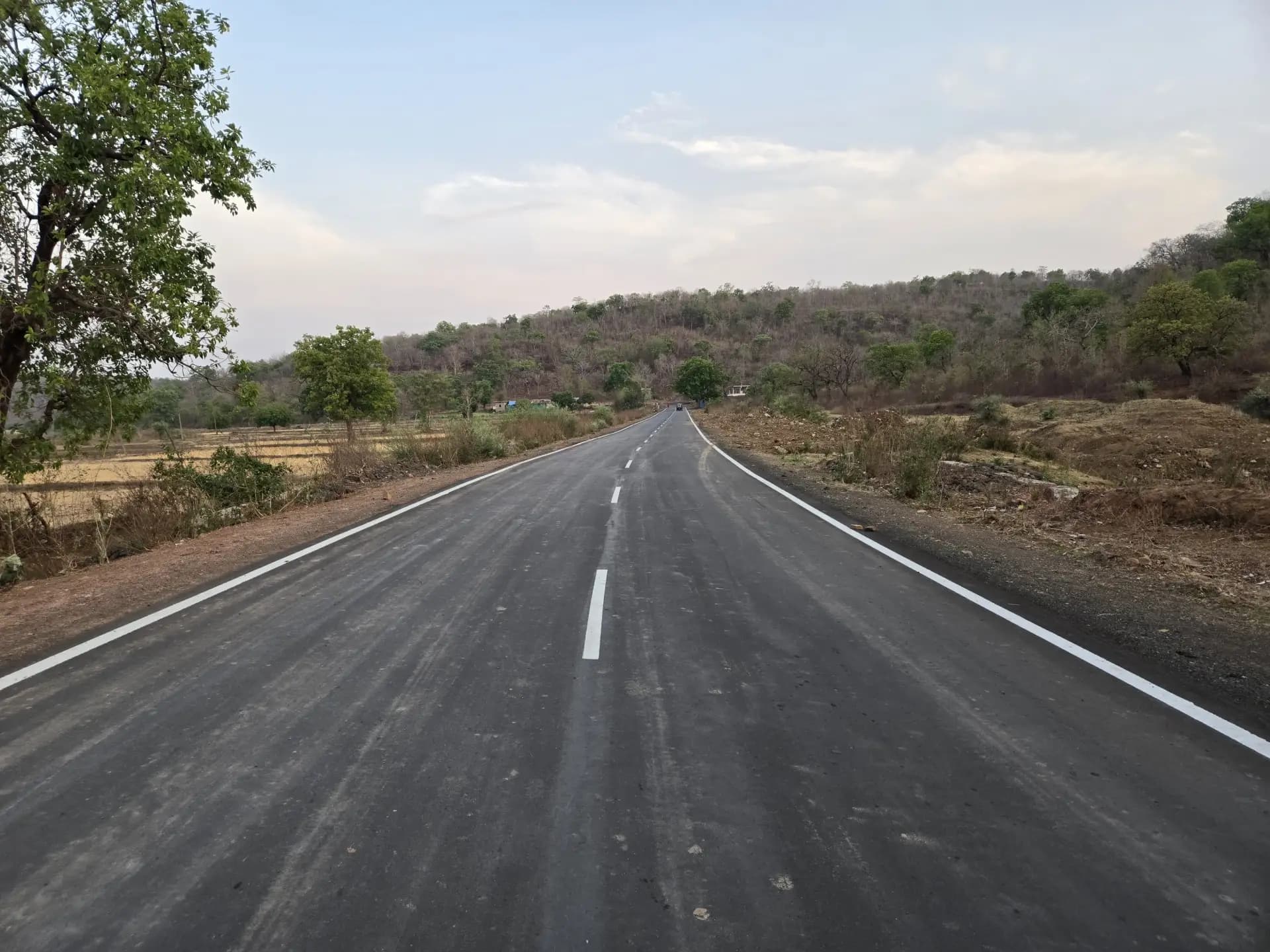
Where to Find Infrastructure Tenders
Government infrastructure tenders are published on:
Central Portals:
- Central Public Procurement Portal (CPPP/e-Procure): All central government tenders - NHAI e-tendering portal: Highway projects - IREPS (Indian Railways): Railway tenders via RVNL, zonal railways - GEM (Government e-Marketplace): Goods and some services
State Portals:
- Each state has its own e-tendering portal (Gujarat: nprocure.com, MP: mptenders.gov.in) - State PWD, irrigation, PHE departments publish here
Organisation-Specific:
- RVNL website and e-tendering for railway projects - DFCCIL for freight corridor packages - Smart City SPVs for urban infrastructure - Municipal corporations for water/sewerage/roads
Aggregator Portals:
- BidAssist, TenderTiger, TenderDetail — consolidated listings from multiple sources
VRSIPL monitors
all relevant portals daily for opportunities matching our technical capabilities and geographic reach. A dedicated tendering team evaluates 200+ tenders monthly, shortlisting 10–15 for detailed estimation and bid submission.
Eligibility and Qualification Criteria
Every tender specifies minimum qualification criteria. Common requirements:
Financial Criteria:
- Annual Turnover: Typically 1.5–2× estimated project cost (average of last 3–5 years) - Net Worth: 0.25–0.5× project cost - Working Capital / Credit Facility: 0.15–0.25× project cost - No negative net worth in any of the last 3 years
Technical Criteria:
- Similar Work Experience: Must have completed works of 0.5–0.8× project value in last 7 years - 'Similar work' definition varies — read carefully (road contractor may not qualify for bridge-only tender if similarity is defined narrowly) - Key Personnel: Must propose qualified project manager, site engineers, quality engineer - Equipment: Must demonstrate ownership or access to specified equipment
Legal/Administrative:
- Registration: Valid contractor registration with appropriate authority (PWD, CPWD, etc.) - GST registration and compliance - PAN, income tax returns for last 3–5 years - No blacklisting or debarment by any government agency - EMD (Earnest Money Deposit): 1–2% of estimated cost (bank guarantee or online payment)
Joint Ventures:
For very large projects, contractors form JVs to combine financial and technical capacities. Lead partner must meet minimum 51% of criteria; each partner minimum 26%.
VRSIPL's 48-year track record across roads, water, railways, bridges, and industrial projects provides qualification for the full range of EPC infrastructure tenders.
Bid Preparation and Submission
Two-Cover System (Standard for Infrastructure):
Cover 1 — Technical Bid:
- Eligibility documents (turnover, net worth, experience certificates) - Technical proposal (methodology, work programme, key personnel CVs) - Equipment deployment plan - Quality assurance plan - Safety management plan - EMD (bank guarantee or online payment)
Cover 2 — Financial Bid (Price Bid):
- Bill of Quantities (BOQ) with contractor's rates for each item - Or: Total lump sum price (for EPC contracts) - Price variations/escalation formula acceptance
Process:
1. Download tender documents from e-portal 2. Study NIT, instructions to bidders, technical specifications, BOQ, drawings, and conditions of contract 3. Conduct site visit (mandatory for most projects — site visit certificate required) 4. Estimate costs: material + labour + equipment + overheads + margin 5. Prepare technical bid documents (often 500–2000 pages) 6. Upload bid on e-portal before deadline (even 1 second late = rejection) 7. Technical bids opened first, evaluated, and qualified bidders' financial bids opened 8. Lowest qualified bidder (L1) awarded the contract
Common Mistakes That Cause Disqualification:
- Missing even one required document - EMD amount or validity incorrect - Digital signature error on e-portal - Experience certificate not matching the 'similar work' definition - Financial statements not audited or not for the specified period - Late submission (the portal closes exactly at deadline — no exceptions)
VRSIPL's tendering team has a 95%+ technical qualification rate — achieved through meticulous documentation and a pre-submission checklist system developed over decades.
Related Topics
Continue Reading
Related Articles
EPC Contract vs Item Rate Contract in India — Which is Better for Infrastructure?
What is EPC in Construction? — Engineering, Procurement & Construction Explained
Pharma Plant Civil Construction in GIDC Gujarat — Site Development to Handover
Start Your Project
Have an Infrastructure Project?
Contact VRSIPL.
48 years of civil EPC delivery across India — WTP, STP, ETP, industrial civil, power plant, roads, and railways. Class-AA Gujarat. ISO 9001 | 14001 | 45001.