At Velji Ratna Sorathia Infra Pvt. Ltd. (VRSIPL), we take pride in executing complex and high-precision Railway Over Bridge (ROB) projects that significantly improve urban and intercity mobility. ROBs eliminate level crossings, reducing traffic congestion and enhancing safety for both rail and road users.
Our expertise covers the full spectrum of ROB construction—from feasibility studies, detailed project reports (DPR), and foundation work to superstructure erection and final finishing. We work in close coordination with Indian Railways and local authorities to ensure technical compliance, design efficiency, and timely execution.
Why Seamless Rail Crossings?
VRSIPL employs modern construction techniques including segmental construction, pre-stressed girder launching, and composite steel structures where required. Each ROB is designed to handle heavy vehicular loads and ensure smooth passage even in densely populated or logistically sensitive zones.
Our ROBs are engineered for longevity, with proper drainage, lighting, pedestrian paths, anti-corrosive treatments, and seismic safety features integrated into the design. We ensure minimal rail traffic disruption during construction by using advanced erection methods and well-coordinated shutdown windows.
By bridging road and rail networks, ROBs enhance safety, reduce travel time, and contribute to uninterrupted transportation. At VRSIPL, we deliver these structures with a commitment to quality, safety, and engineering precision — helping shape smarter infrastructure for tomorrow.
- ROBs eliminate level crossings, ensuring safety and reducing long delays at railway intersections for vehicles.
- RCC, PSC, or steel superstructures are used based on traffic volume, span length, and structural load needs.
- Deep pile or well-type foundations are built according to soil strata, traffic loading, and bridge height.
- GADs and staging plans are approved by Indian Railways before work begins during permitted shutdown slots.
- Girders are launched using cranes or machines to ensure safe erection over tracks without traffic disruption.
- Embankments, RE walls, and service lanes form part of approach roads with slope protection for stability.
- Drainage is provided to stop deck waterlogging and maintain structural health during rain or monsoon flows.
- Lighting, pedestrian paths, and barriers ensure visibility and safety for both daytime and night movement.
- Earthquake-resistant detailing is adopted per IS:1893 and IRC codes in seismic zones for structural safety.
- Proper diversion routes and signages are set up to reduce vehicle congestion during phased construction.
- Expansion joints and bearings help absorb thermal movements and loads, preventing deck surface cracking.
- All VRSIPL projects comply with RDSO, MoRTH, and railway norms to ensure safe and lasting infrastructure.







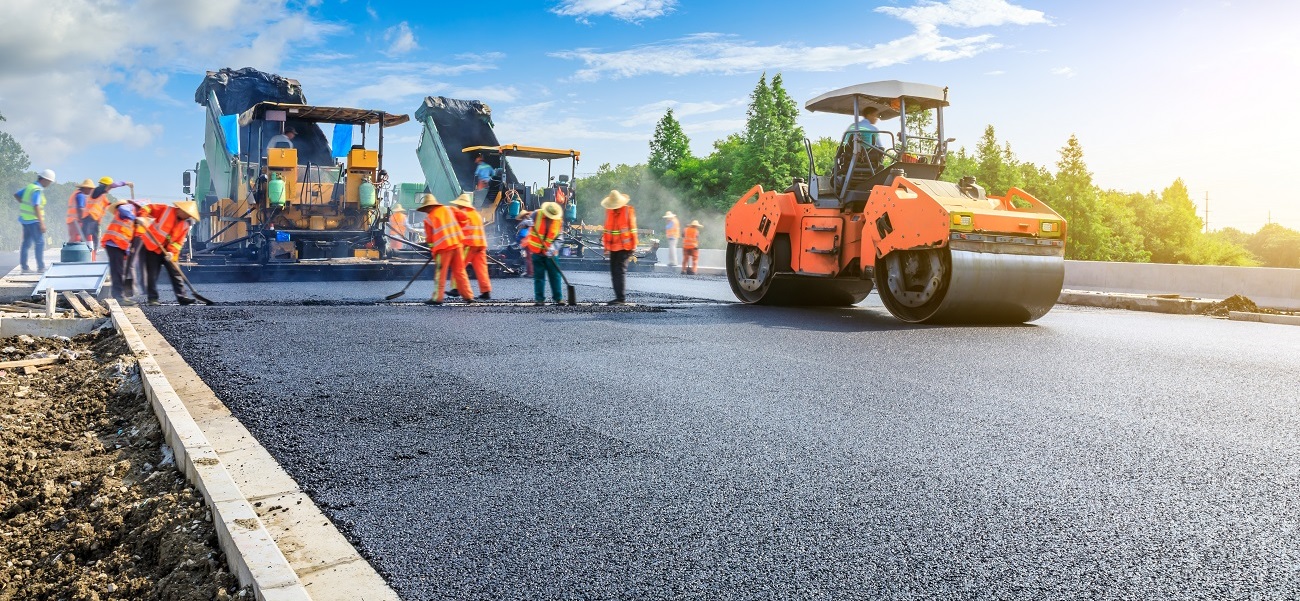 Roads & Bridges
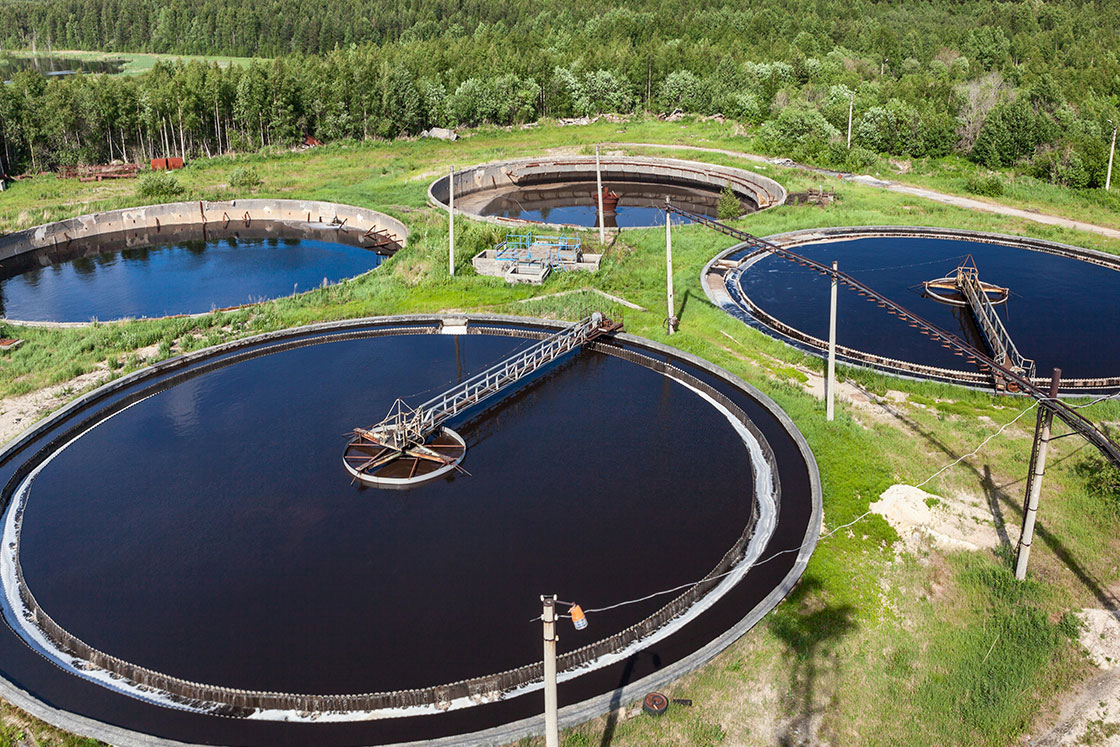 Water Supply & Drainage
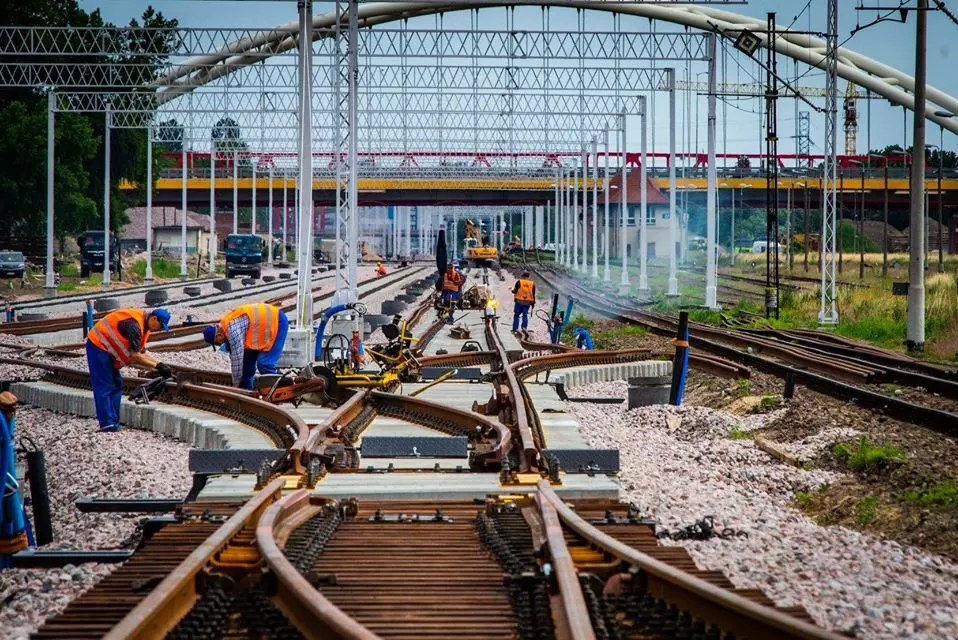 Railway
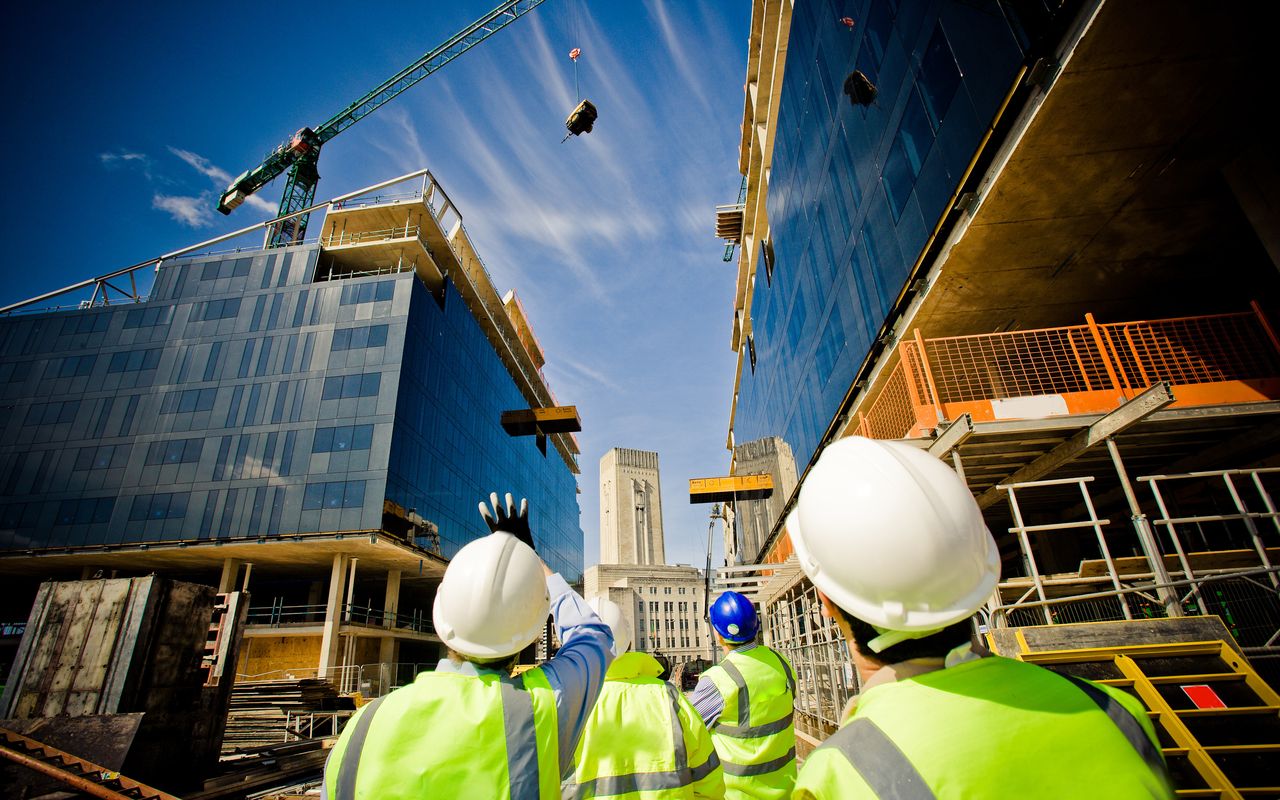 Building
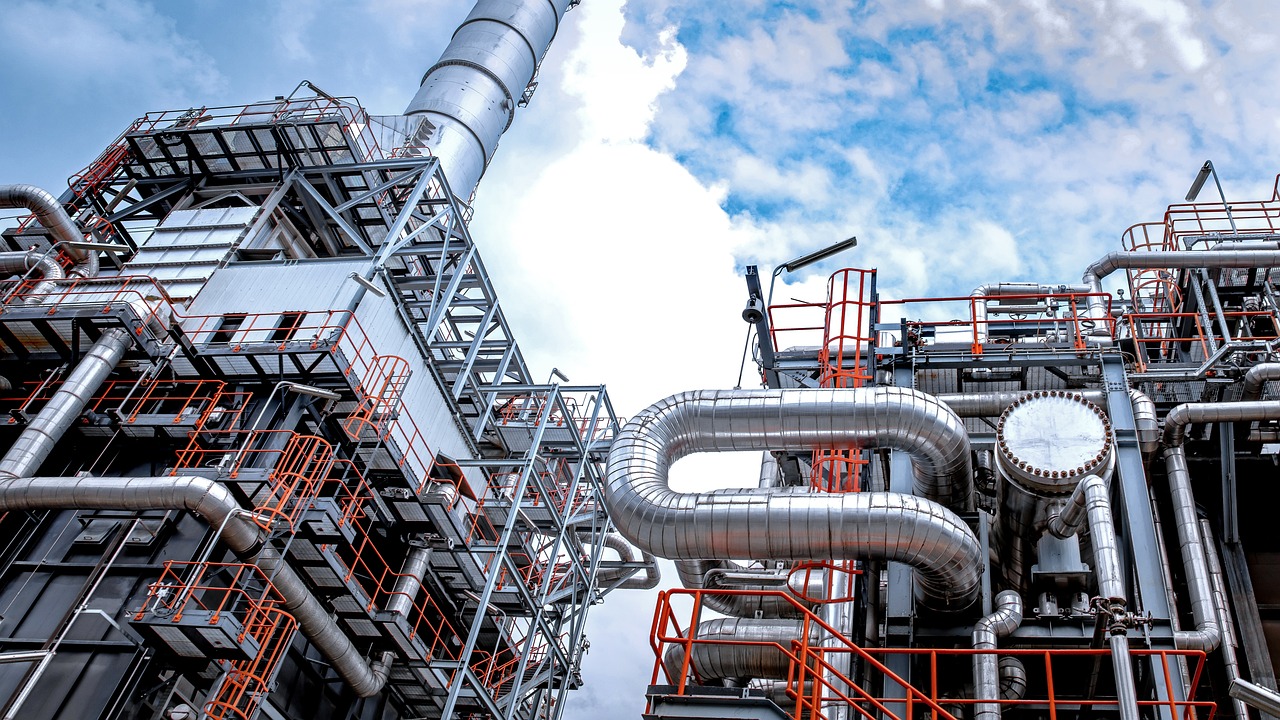 Industrial Infrastructure
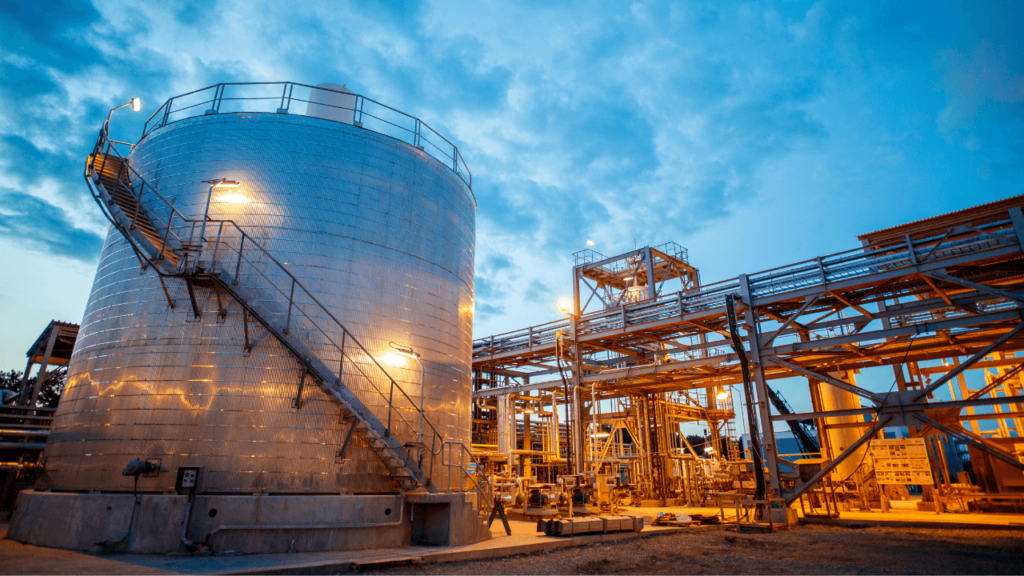 Oil & Gas